The Artistic Conversations●
A bi-monthly conversation series in Zürich with artists, founders, business leaders and scientists.
Through live salons, one-on-one conversations and written reflections, The Artistic Conversations explores the ideas, experiences and questions shaping our world, with artists and curators, but equally with founders, business leaders, scientists and researchers. The format is artistic in method, not in subject.
Visit the series →Live salon
An evening conversation with invited guests, held in front of an audience.
One-on-one conversation
A recorded or written dialogue with a single guest.
Written reflection
Essays and notes that continue the conversation on the page.
Not an art audience. A mixed room.
The series began around artistic practice and quickly became something wider. Curators sit next to founders, opera singers next to investors, filmmakers next to researchers, because the questions underneath are shared: how work gets funded, who is given access, what institutions protect, and what it costs to make something honest.
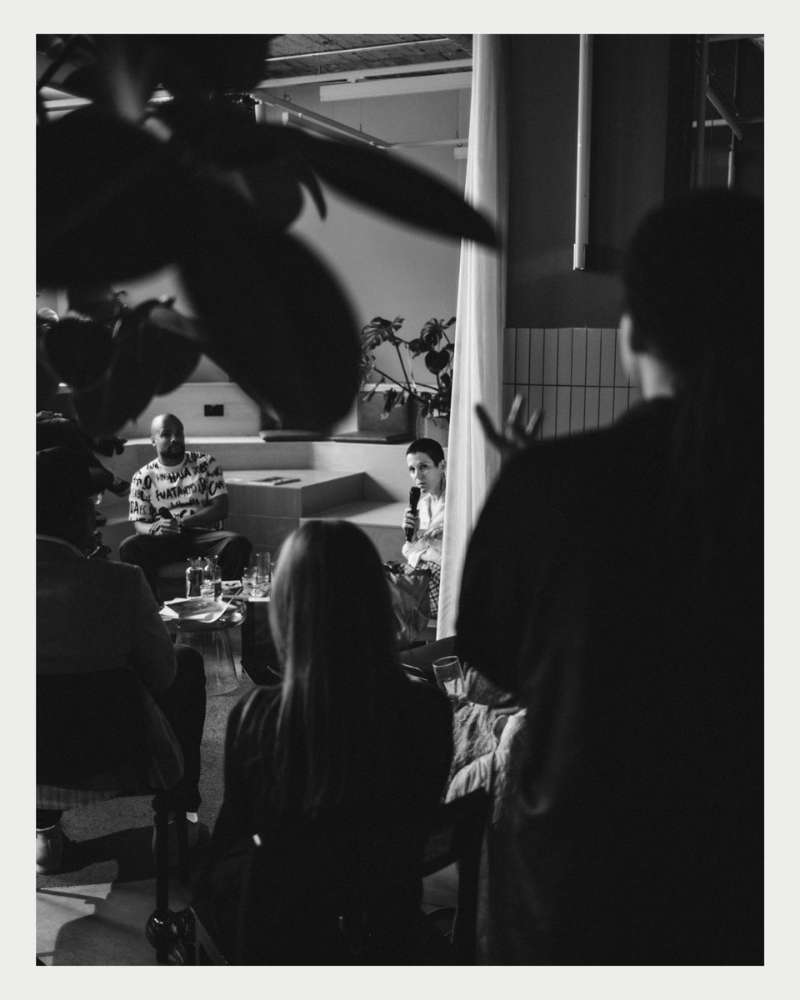
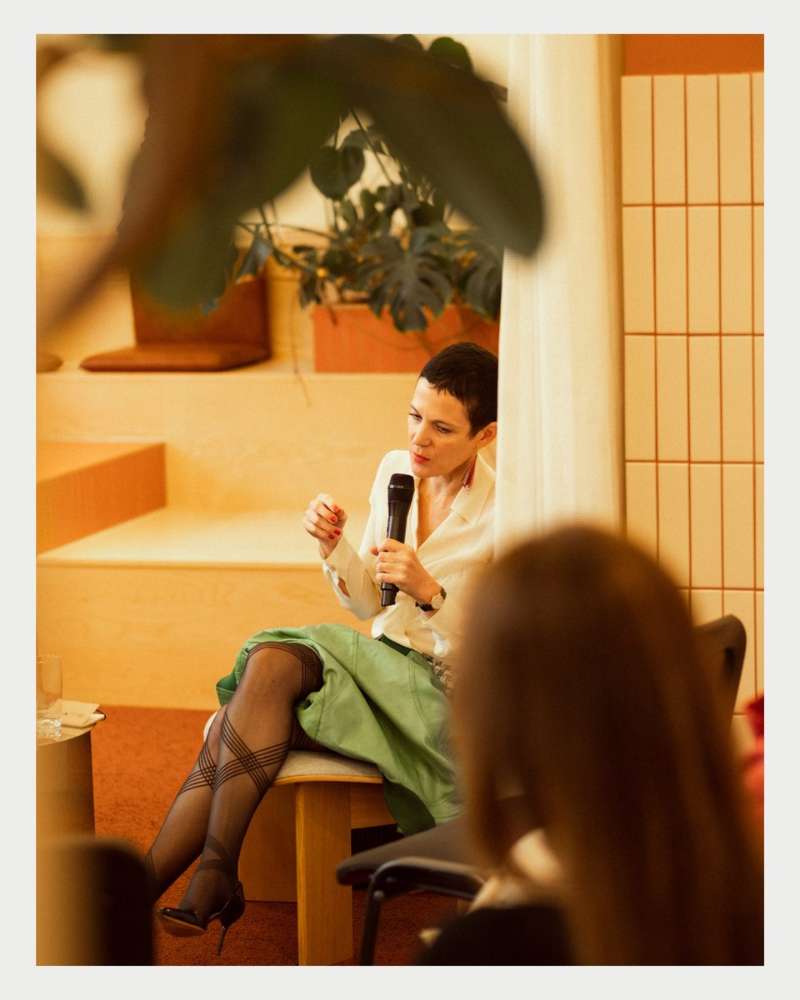
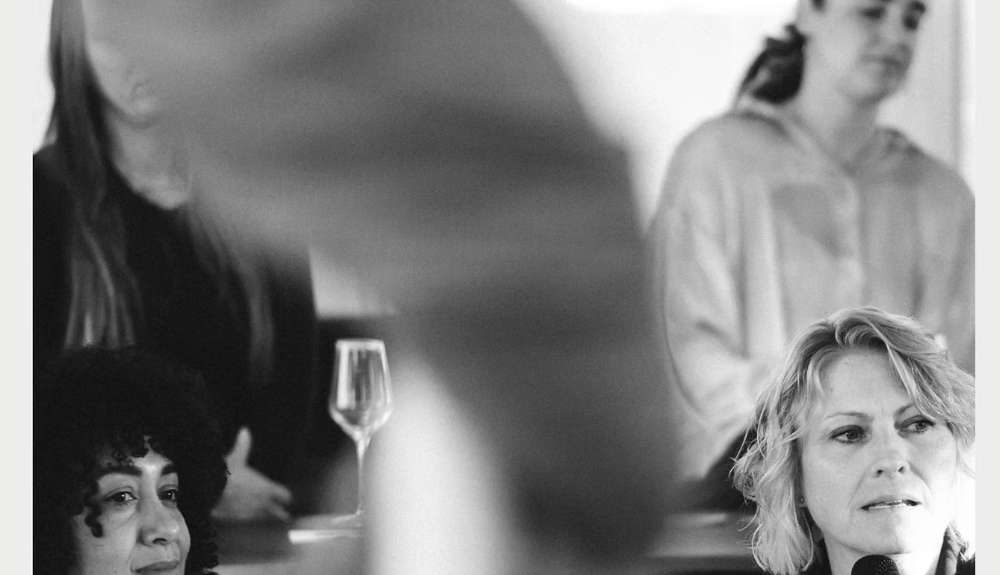
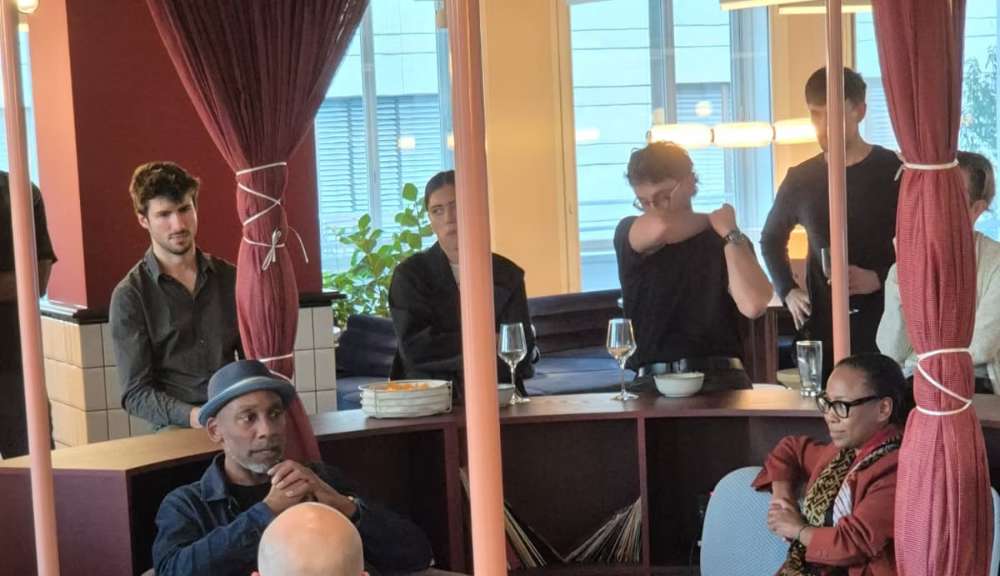
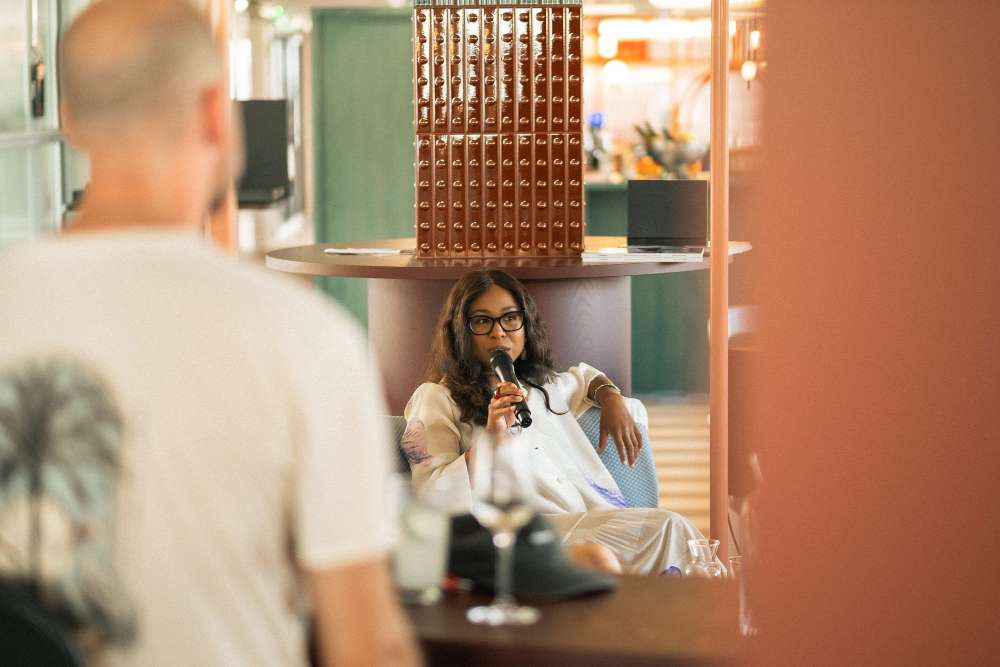
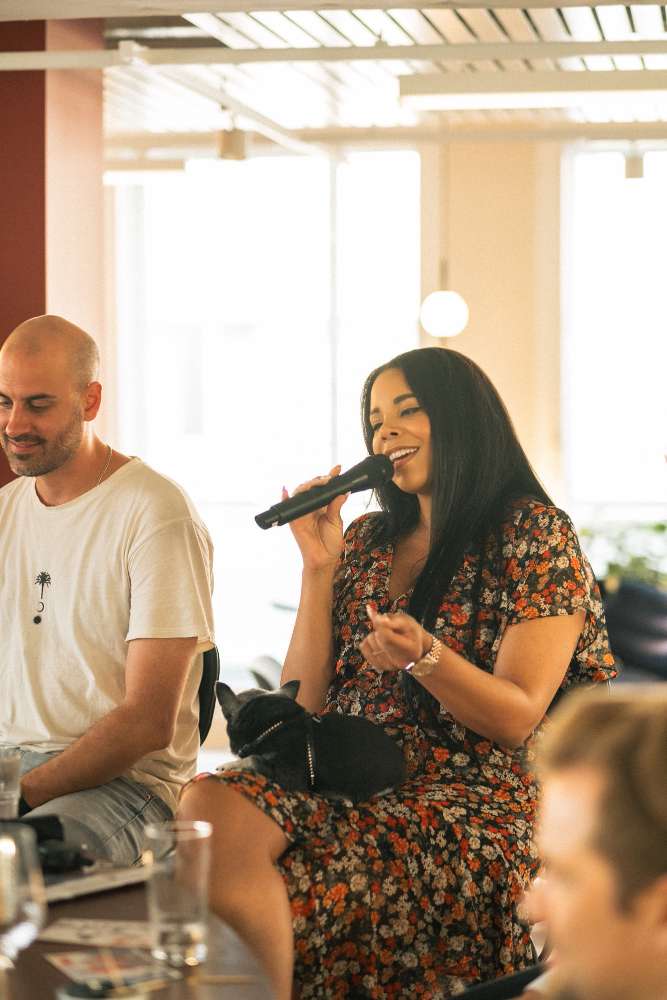
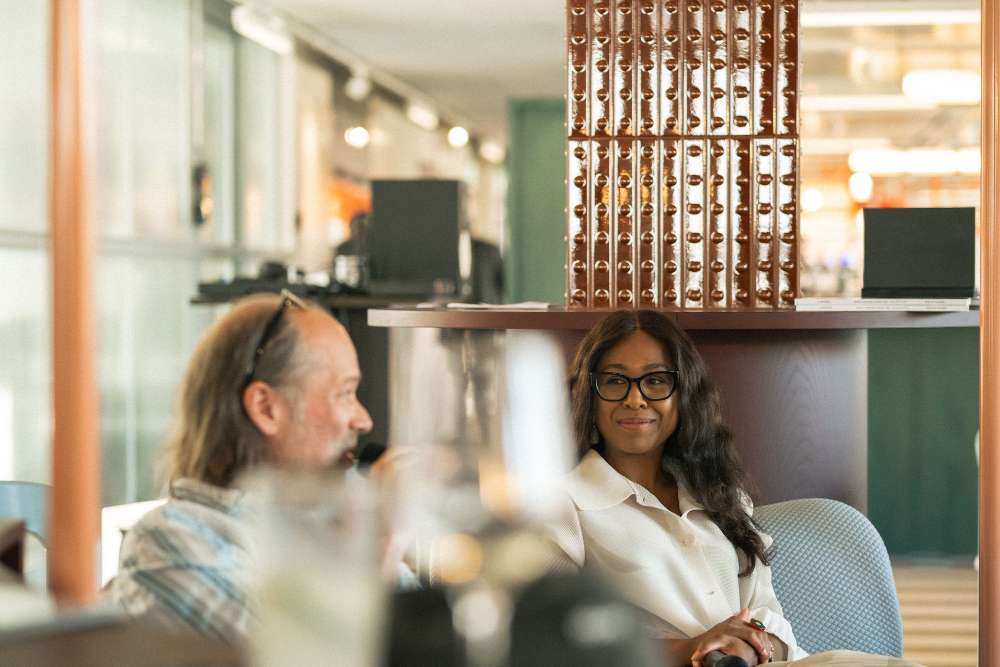
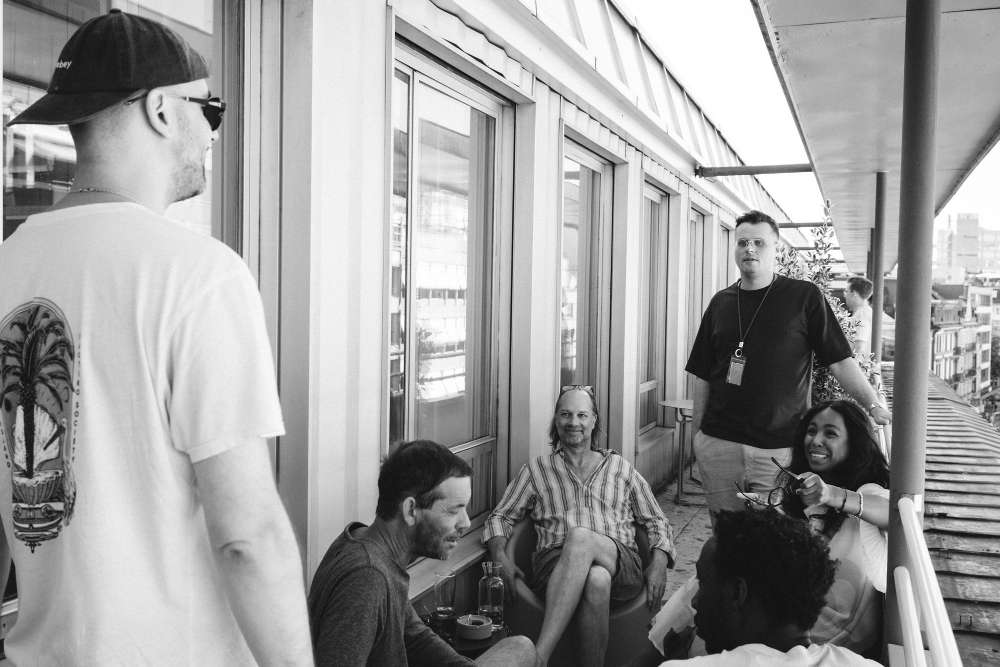
An evening at HeadsQuarter, Beethovenstrasse
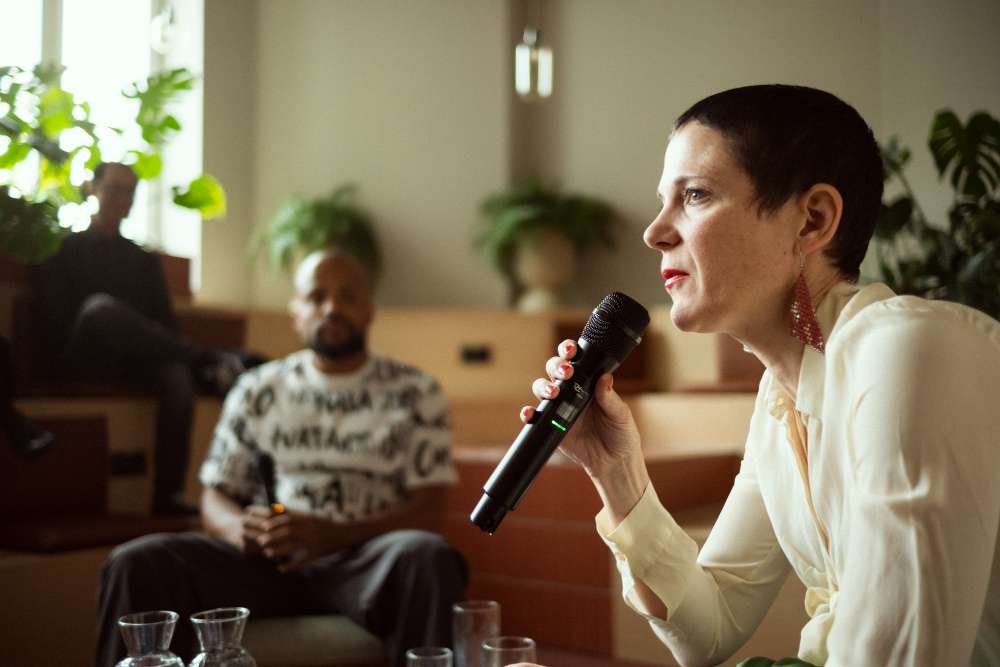
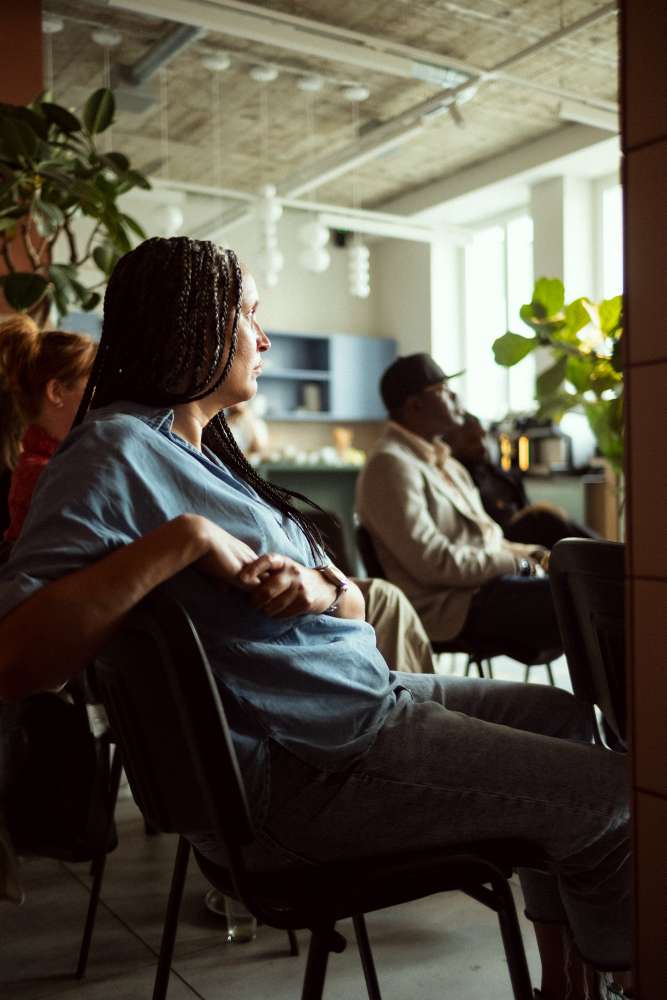
The Power of Art was held in one room in Zürich: curator Cathérine Hug and visual artist Marvin Kangsen, two microphones passed back and forth, and an audience close enough to answer back. Nothing was streamed. The format depends on people staying in the same room long enough to change their minds out loud.
Evenings held so far
The Power of Art
Curator Cathérine Hug and visual artist Marvin Kangsen on where art begins, who gets access, and what art can still do in complex times. HeadsQuarter Zürich.
→Reclaimed Voices
How breath and posture shape the way we speak, with somatic experiencing practitioner Susan Tomasko and opera singer and voice coach Melanie Forgeron. HeadsQuarter The Artistic, Stockerstrasse 33, Zürich.
→The Art of Storytelling
A round table on storytelling in film with producer Lamar Hawkins and filmmaker and investigative journalist Philippe Stalder, with jazz by Sarah Abrigada.
→From Photography to Exhibition
On the path from an image to a room: what it takes to move a body of photographic work into public exhibition.
→Kultur und Kommerz. Geht das?
The launch evening: a round table with Michel Pernet and Oliver Scotoni, two people who have spent decades building platforms for culture in Zürich.
→Long-form exchanges with individual practitioners
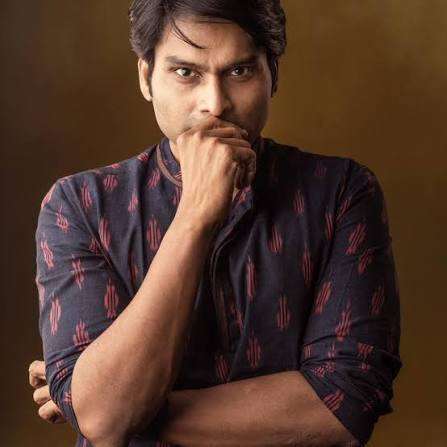
Culture in Motion
On art, migration, identity and belonging.
The economics behind it +
India sends more people abroad than any other country, and receives more money back from them than any other country. Migration is not an edge case there, it is a structural part of the national economy, and of how families plan a life.
For an artist that cuts both ways: mobility is the raw material of the work, and it is also the thing most tightly rationed. Schengen visas, invitation letters and proof of funds decide which conversations happen in person and which happen over a screen.
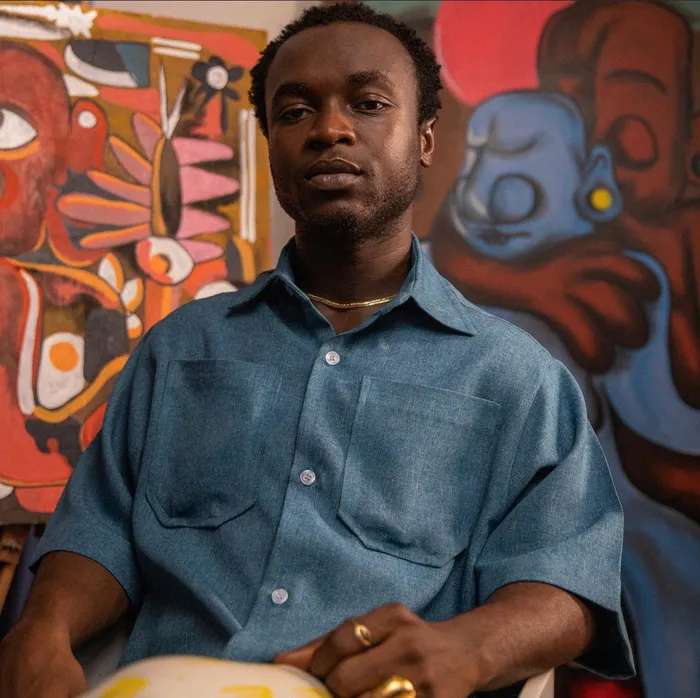
The Witnesses
Spirituality, Ghanaian folklore, public art and contemporary African visual culture.
The economics behind it +
Ghana has become one of the most visible centres of contemporary African art of the last decade, while its currency, its debt burden and its import costs have moved in the opposite direction. Materials, framing, shipping and insurance are priced in dollars; sales at home are not.
So the market that sustains the work often sits in London, Basel or New York, and the interpretation travels with it. The question in the portrait is a blunt one: who gets to keep the value, and who gets to keep the meaning.
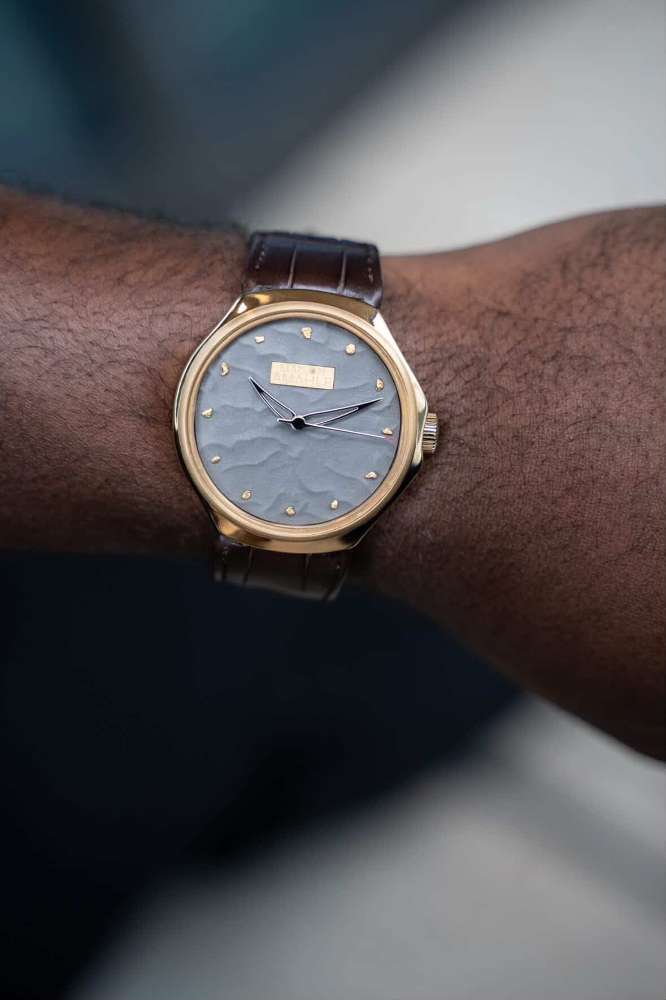
Maison Amahle
Building a house and a business across three places.
The economics behind it +
Three jurisdictions, three currencies, three sets of rules on ownership, residency and money transfer. Botswana and Switzerland offer stability at a high cost of entry; Zimbabwe offers proximity and history alongside years of monetary instability.
Building across them is less a lifestyle story than an exercise in regulatory arbitrage, where a company can be registered, where land can actually be held, where a franc keeps its value on the way south.
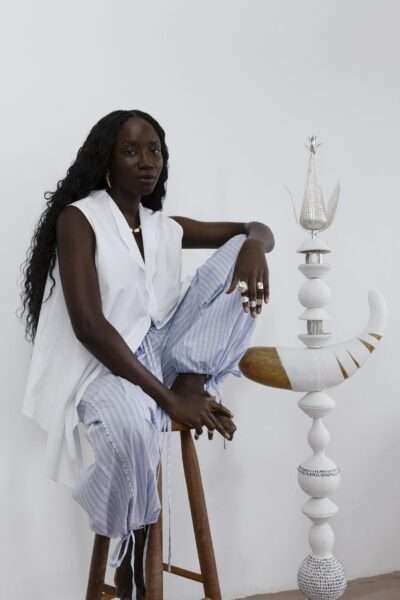
The Bank She Wore
What a wardrobe carries when money, class and race are worn in public.
The economics behind it +
Brazil has one of the largest Black populations of any country outside the African continent, and one of the widest gaps between who produces cultural value and who is paid for it. Fashion, music and image travel far; ownership tends to stay put.
Add a currency that moves sharply against the dollar and an import regime that makes materials expensive, and dressing well becomes a form of accounting, a visible claim on a room that was not designed to admit you.
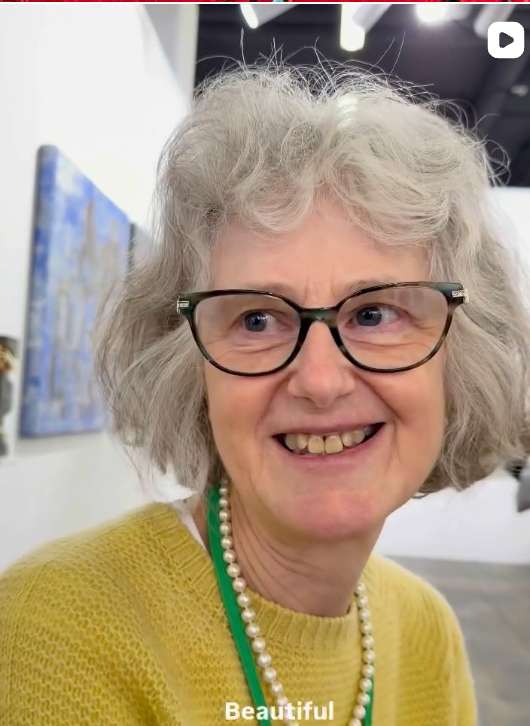
UNTRANSLATED
Four women artists, two galleries, one booth in Basel, and a title that argues.
The economics behind it +
Fairs present themselves as open calls with selection committees, and they are. The first door, though, is usually a person who already knows what you are good for, and when a gallery working outside the Euro-American canon lacks that person, the absence never appears in the accounts and decides the outcome anyway.
The other cost is explanatory. Work from the Global South is expected to justify itself before it is looked at, which is time and margin that Euro-American peers are not asked to spend. Sharing a stand is one way to split that bill.
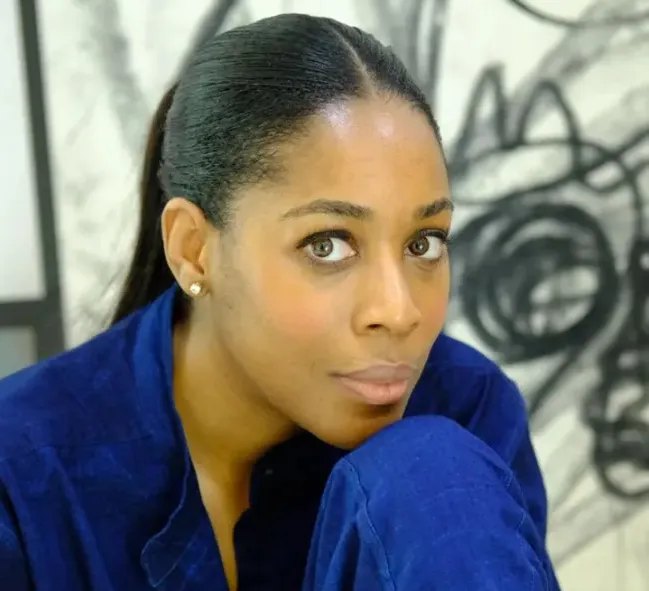
The Courage to Bloom
Radical optimism, Itsekiri flora, and a practice moving from paper into sculpture.
The economics behind it +
Appreciation is not a market. Her Accra exhibition drew attention and, in time, significant collectors, but few buyers at the prices a professional practice needs. Studios, materials, shipping and insurance still have to be paid while the work develops.
The capital sits elsewhere: the United States, the United Kingdom and China accounted for 76% of global art sales by value in 2025. The task is circulation, so artists can reach that capital without moving their legitimacy out of Lagos or Accra.